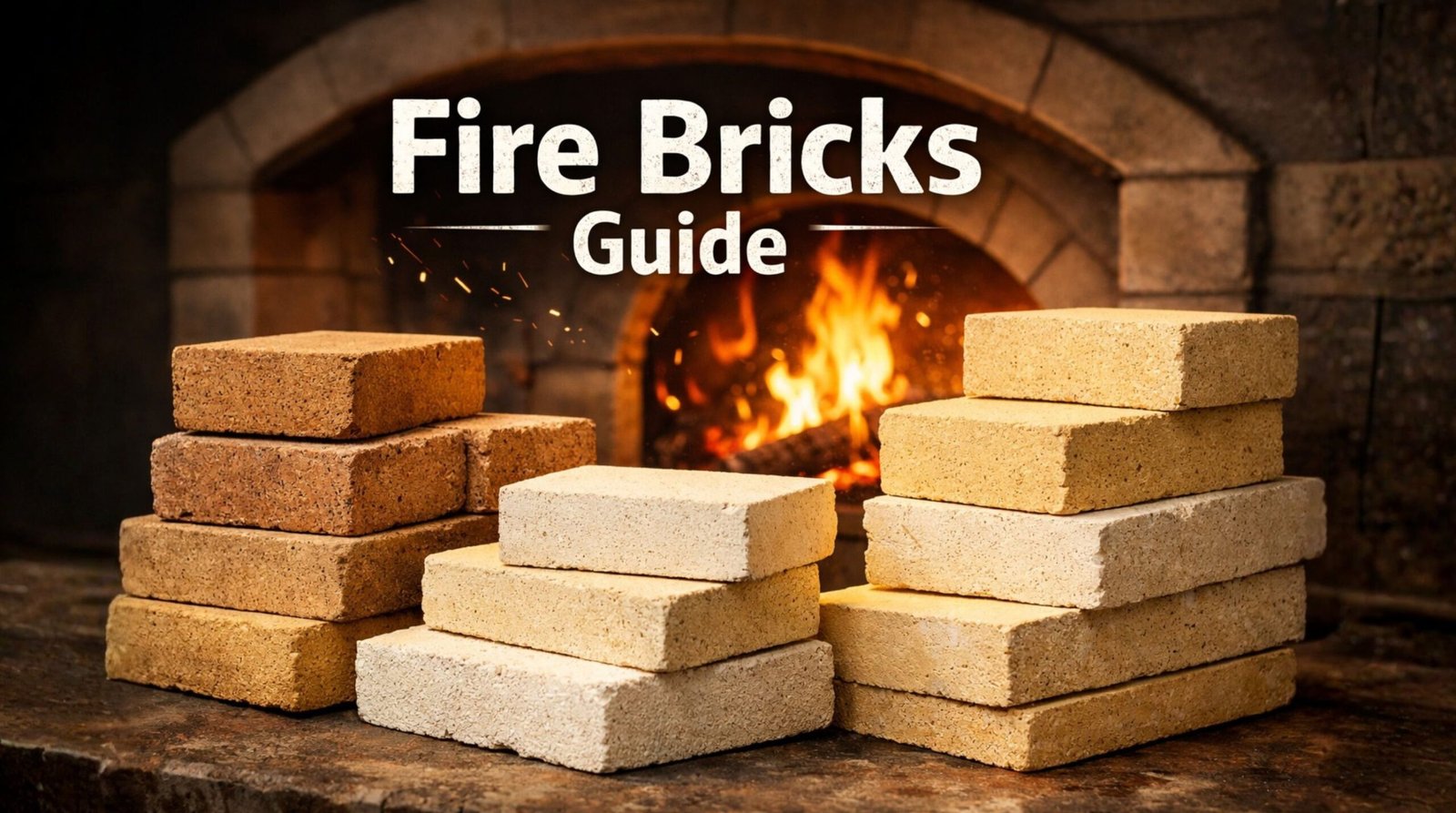
When it comes to building anything that will face intense heat, ordinary bricks just won’t cut it. Fire bricks, also known as refractory bricks, are specially designed to survive extreme temperatures without cracking or breaking. From cozy backyard pizza ovens to industrial furnaces, these heat-resistant blocks make it possible to safely contain fire while keeping the structure intact.
What is Fire Brick?
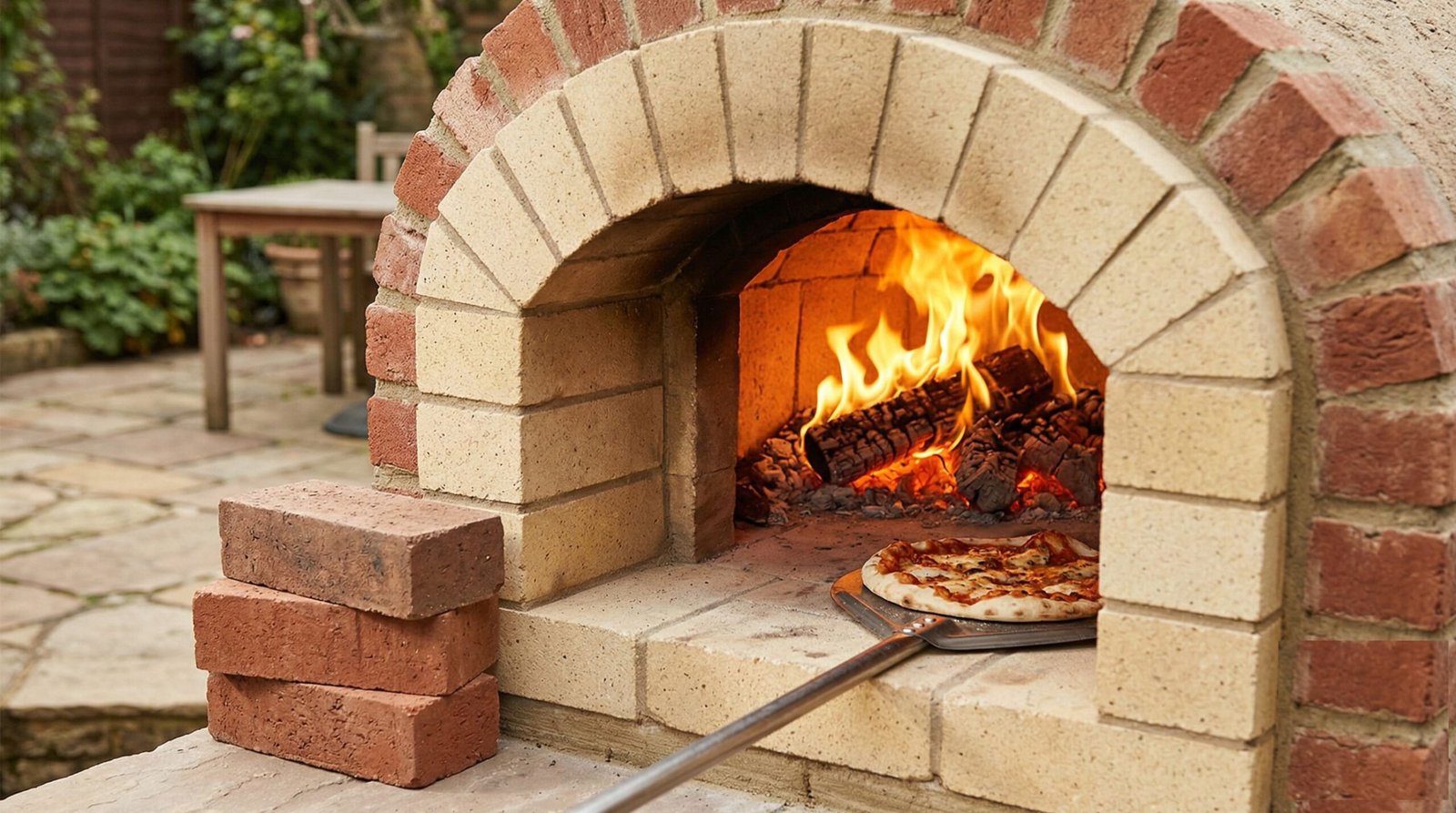
A fire brick is a very special type of building block made to handle extreme heat without breaking or melting. People also call it a refractory brick. When you build a regular wall for a house, you use standard clay bricks. But if you try to build a fireplace or a pizza oven with normal building blocks, the heat will cause them to crack and crumble very quickly. This is exactly why we need a material built just for fire.
These blocks are baked in giant kilns at incredibly high temperatures during the manufacturing process. Because they have already survived this extreme heat, they can easily handle the flames from your home fireplace or a metal melting furnace. They do an excellent job of holding the heat inside a space, which keeps the outside safe and cool to the touch.
💡 Key Takeaway: You must always use heat resistant bricks anytime you are building a structure that will touch direct flames or hold extreme heat.
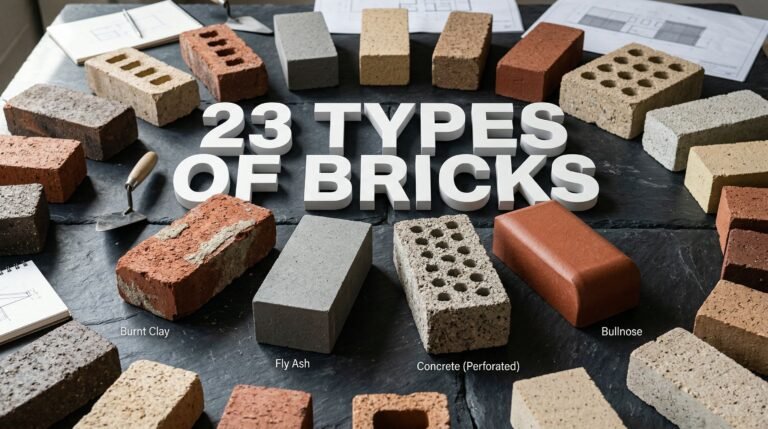
You will find these useful blocks in many places. They are the hidden heroes inside bakeries, industrial factories, and backyard patios. They look very similar to standard building blocks, but their weight and color are usually quite different. They tend to have a lighter color, like pale yellow or white, because of the special dirt used to make them. If you want to read more about standard options, you can read our guide on the many types of bricks available today.
What is Fire Brick Made Of?
The secret to their strength comes entirely from the ingredients. Regular blocks use common red clay. Heat resistant blocks use a special ingredient called fireclay. This dirt is very unique because it comes from deep underground and contains very specific natural chemicals.
The two main ingredients in this special clay are alumina and silica. Alumina is the ingredient that refuses to melt. The more alumina a block has inside it, the hotter the flame it can survive. Silica is there to add pure strength so the block does not crumble under heavy weight.
- 🧱 Alumina: Provides extreme heat resistance.
- 🧱 Silica: Gives the block its hard structure and shape.
- 🧱 Other Minerals: Small amounts of iron and titanium are sometimes present.
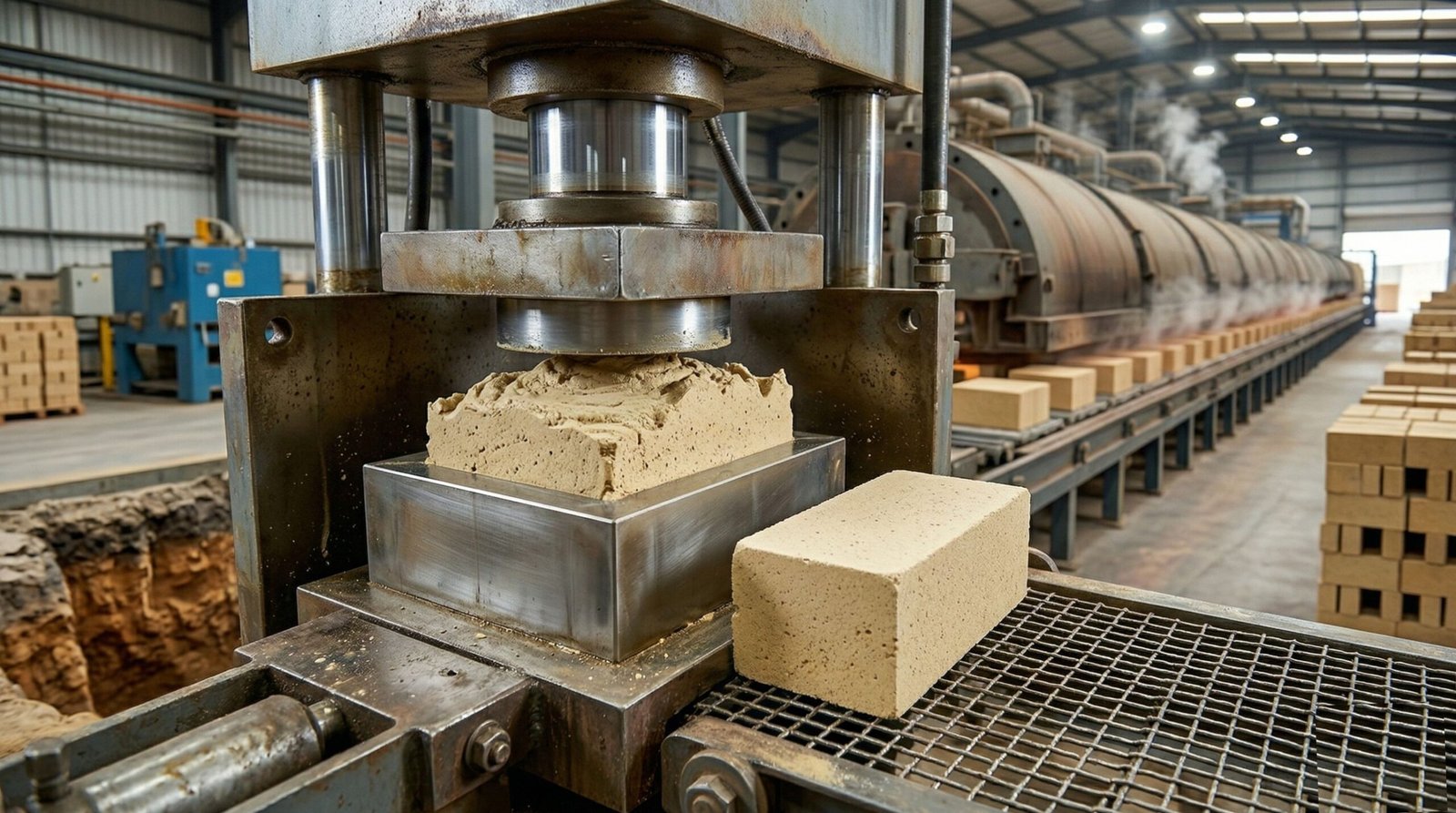
When factories mix these ingredients together with water, they press the wet dirt into molds using massive machines. After they are shaped, they go into a tunnel oven where they bake for days. This baking process burns away any extra moisture and locks the alumina and silica together forever. You can learn more about the chemical makeup of refractory materials on Wikipedia.
Types of Fire Bricks
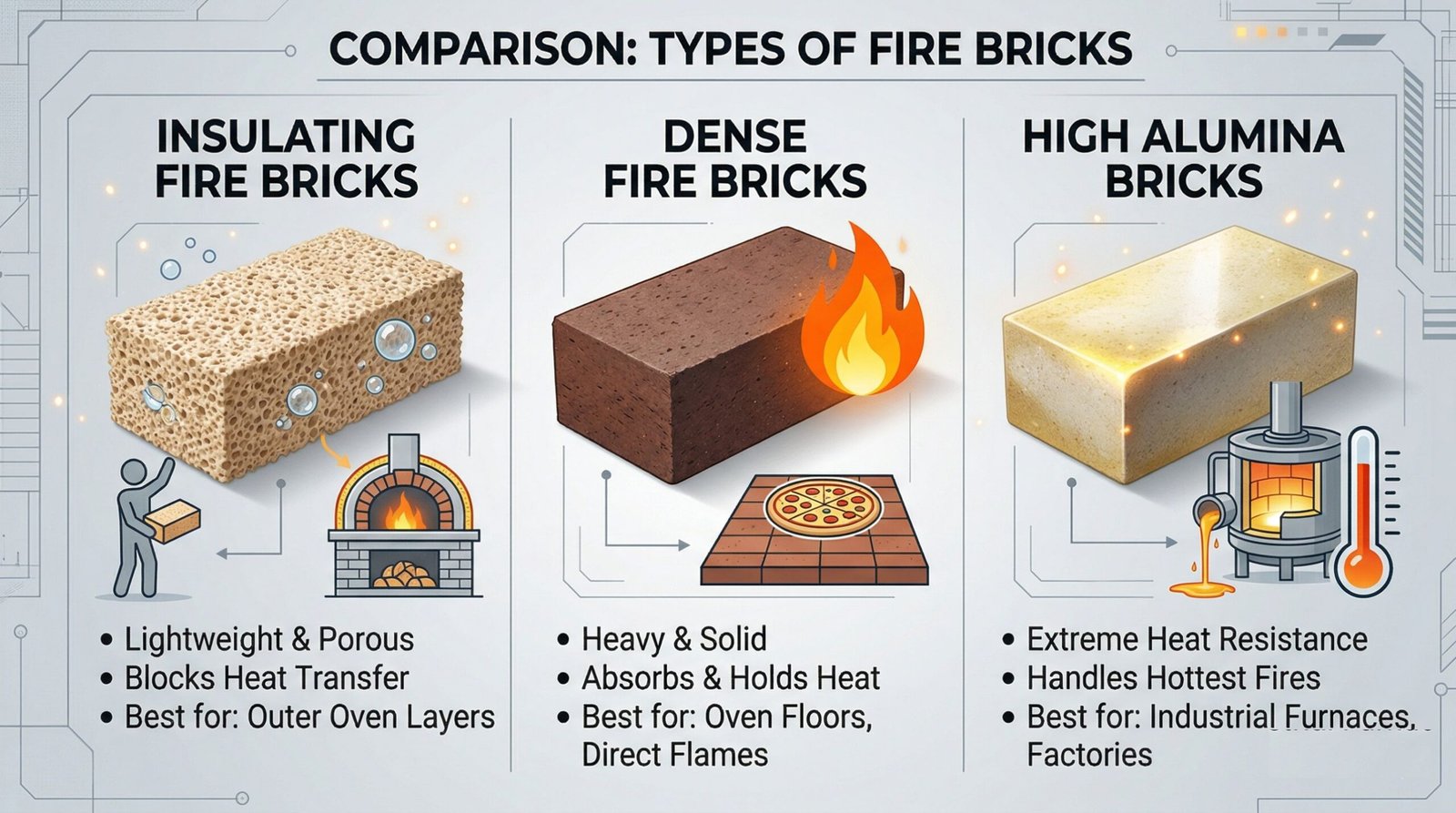
Not every heat resistant block is the same. Just like you have different shoes for running and swimming, builders have different blocks for different fire projects. Understanding the variations is very important before you spend your money.
Insulating Fire Bricks
These are very light and feel almost like pumice stone. They have tiny air bubbles trapped inside them. The air bubbles stop heat from passing through. They are perfect for the outside layers of an oven to keep the heat trapped inside.
Dense Fire Bricks
These are very heavy and solid. They do not have air bubbles. You use these on the exact spot where the actual wood or coal is burning. They absorb the heat and slowly release it, which is exactly what a pizza oven floor needs.
High Alumina Bricks
These are made for factories and giant industrial furnaces. They have huge amounts of alumina inside them. They cost a lot of money but they can handle the absolute hottest fires on earth without melting.
Fire Brick Dimensions
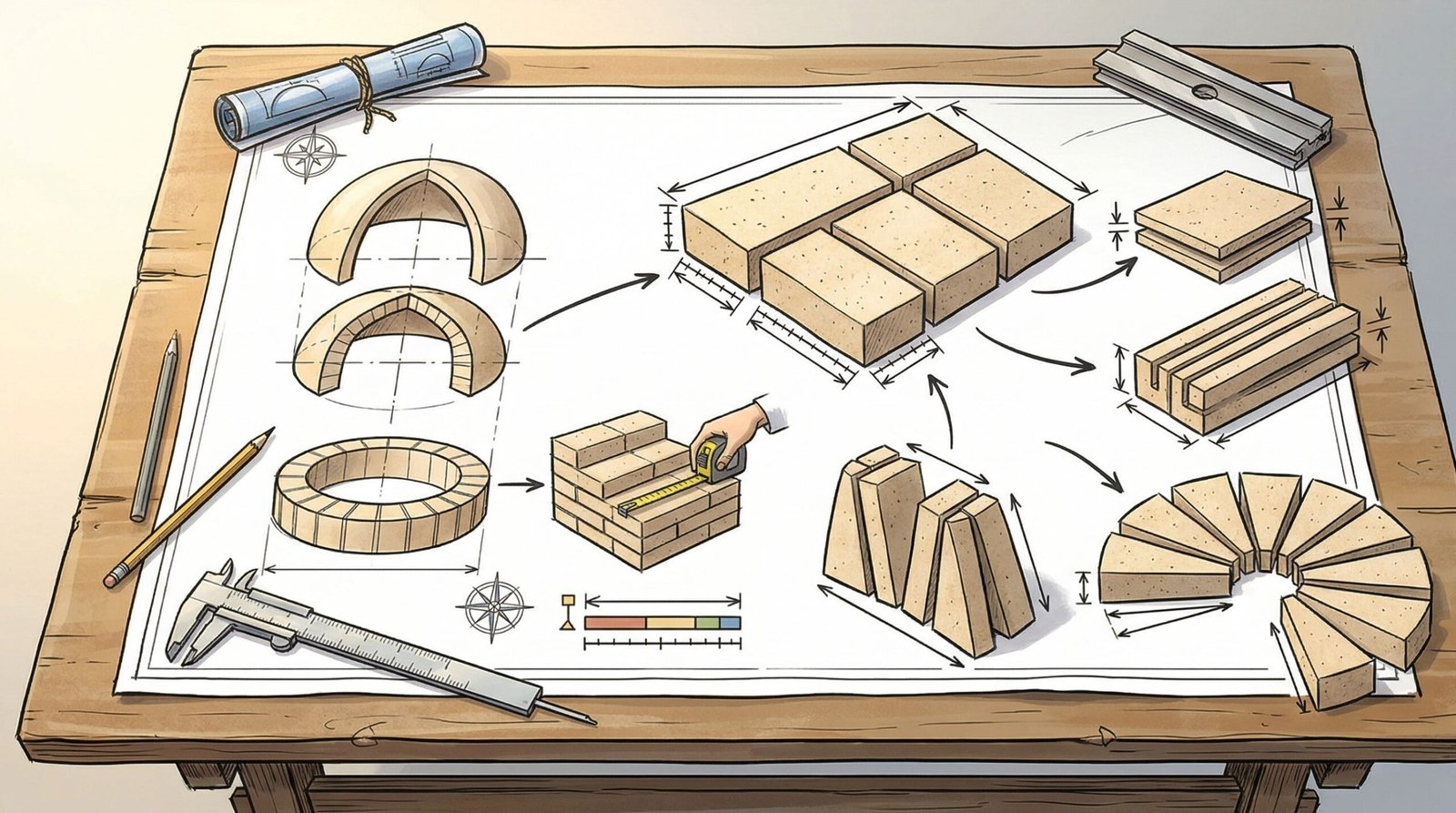
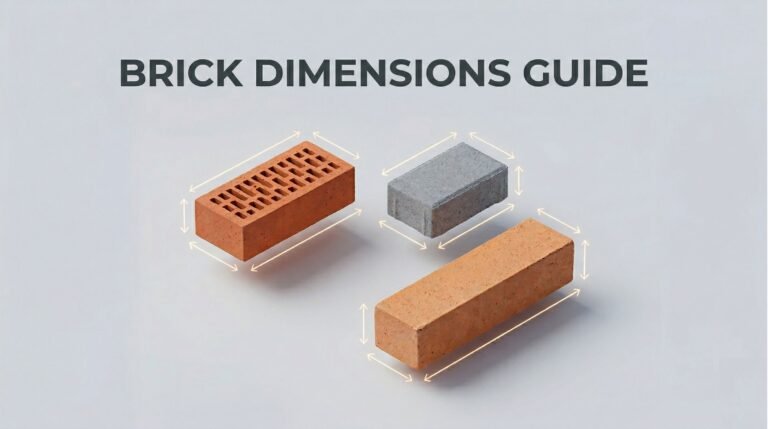
Measuring is a huge part of any building project. When you build a curved dome for a pizza oven, you need very specific shapes to make the circle work. Heat resistant blocks come in several common sizes to help builders avoid cutting too much material.
The most standard size you will find at the hardware store is usually 9 inches long, 4.5 inches wide, and 2.5 inches thick. This is known as a standard straight block. However, there are many other shapes you might need depending on your project. If you are ever confused about measurements, you should definitely check our complete brick size guide for all the details.
📏 Common Shapes Include:
- Splits: These are half as thick as a standard block. They are great for lining small spaces.
- Soaps: These are cut right down the middle lengthwise. They look like a long bar of soap.
- Arch Bricks: These have a slight taper to them. You use them when you want to build a curved roof over a doorway.
- Wedge Bricks: These are tapered on the sides. They are perfect for building round fire pits.
Always take time to draw your project on paper first. Knowing exactly what sizes you need will save you a lot of time and money at the store. You can easily figure out how many you need by using our brick calculator tool.
Fire Brick Sizes
Fire bricks come in a range of standard sizes, but the exact dimensions can vary slightly depending on the manufacturer and region. Choosing the right size is important for proper fitting, heat efficiency, and ease of construction.
📏 Standard and Common Sizes Chart
| Size in Inches | Size in Millimeters | Best Used For |
|---|---|---|
| 9 x 4.5 x 2.5 | 230 x 114 x 64 | Standard use in fireplaces, pizza ovens, and kilns. |
| 9 x 4.5 x 3 | 230 x 114 x 76 | Thicker blocks for extra strength and heat storage. |
| 9 x 2.5 x 2.5 | 230 x 64 x 64 | Narrow blocks for tighter spaces. |
| 12 x 6 x 3 | 305 x 152 x 76 | Larger blocks for heavy industrial use. |
🔺 Special Shapes
- Arch bricks: Shaped specifically for building curved oven roofs.
- Wedge bricks: Used heavily in circular structures like round pits.
- Split bricks: Thinner versions made specifically for lining and finishing surfaces.
⚖️ Size vs Purpose
- Standard size: Best overall choice for general construction.
- Thicker bricks: Better for storing heat and increasing structural durability.
- Thinner bricks: Much easier to cut and fit into very small areas.
- Custom shapes: Ideal for creating curved or highly decorative designs.
Fire Brick Temperature Rating
How hot is too hot. This is the most important question when buying refractory materials. Every block has a specific duty rating. This rating tells you the exact temperature the block can survive before it starts to fail.
For most home projects, you do not need the highest rating available. A normal wood fire in a backyard pit only reaches a certain level of heat. But an industrial glass factory needs something much stronger.
- 🔥 Low Duty: Can handle up to 1600 degrees Fahrenheit. Good for home fireplace backups.
- 🔥 Medium Duty: Can handle up to 2400 degrees Fahrenheit. Perfect for backyard pizza ovens and smokers.
- 🔥 High Duty: Can handle up to 2800 degrees Fahrenheit. Used mostly for commercial bakeries and large boilers.
- 🔥 Super Duty: Can survive over 3000 degrees Fahrenheit. Only needed for massive industrial melting furnaces.
Uses of Fire Bricks
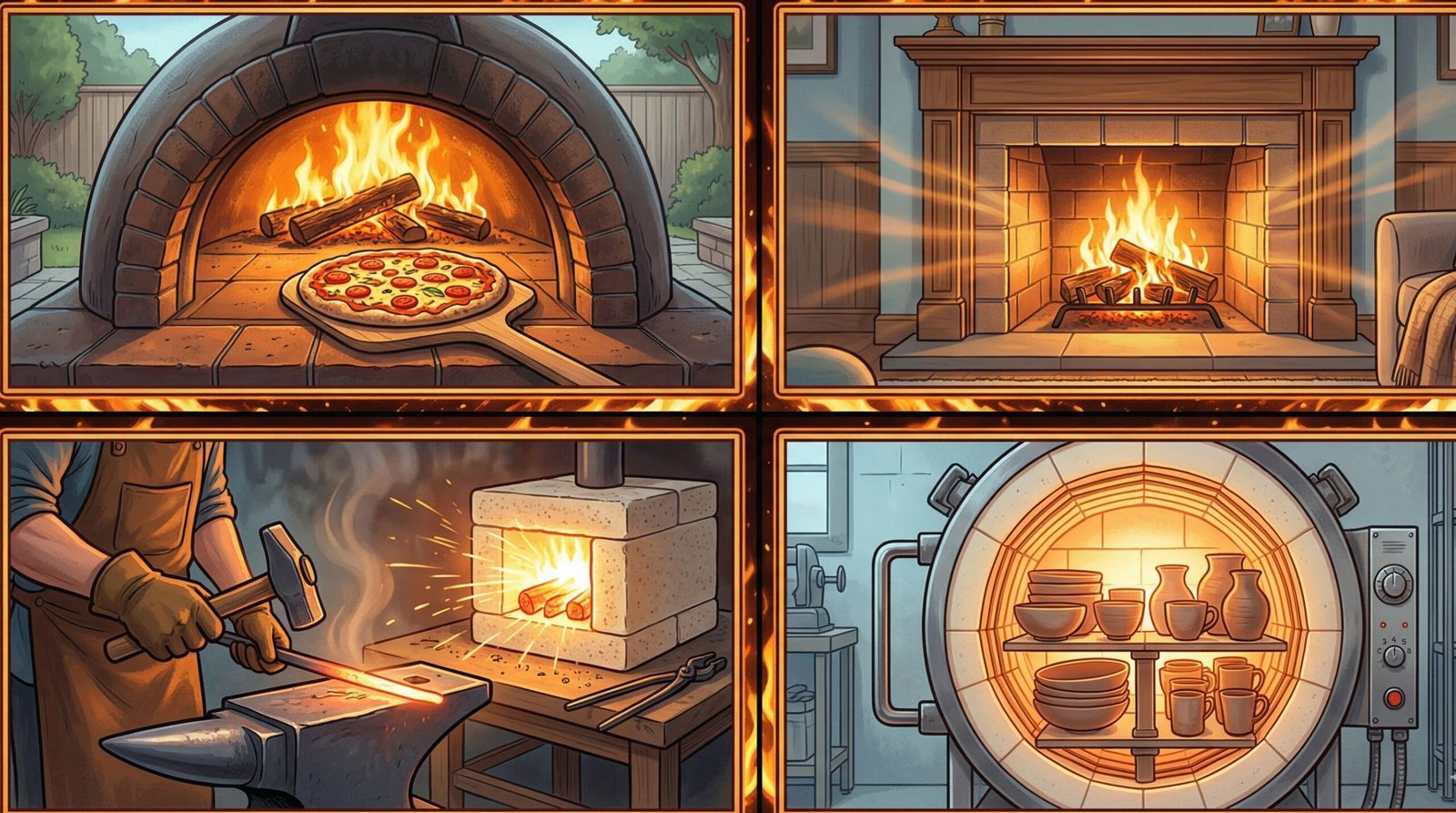
There are countless ways to use these amazing building blocks. Both regular homeowners and large business owners rely on them every single day. Here is a detailed list of the most common ways people use them around the world.
Backyard Pizza Ovens
People love making authentic pizza at home. To get a perfect crispy crust, you need an oven that holds extreme heat. Builders line the entire inside dome and the cooking floor with dense fire bricks. The blocks soak up the heat from the wood fire and bake the pizza dough perfectly from the bottom up.
Home Fireplaces
When you look inside a nice living room fireplace, the walls you see are made of refractory blocks. They protect the actual wooden frame of the house from catching on fire. They also reflect the warmth back into the living room so you stay warm during winter.
Blacksmith Forges
People who make knives and tools need a small box that gets hot enough to turn metal soft. They build these small boxes entirely out of highly rated insulating blocks. The blocks trap the extreme heat inside so the metal working can happen quickly.
Pottery Kilns
Artists who make clay bowls and cups need to bake them to make them hard. A pottery kiln is basically a giant box made of insulating refractory blocks. The blocks allow the inside to get incredibly hot while the outside of the box remains safe enough to be in an art studio.
Fire Brick vs Regular Brick
Many beginners make the mistake of buying standard red blocks for a fire pit just because they are cheaper. This is a very bad idea. Standard blocks cannot handle the shock of sudden heat. They will crack, pop, and eventually turn into dust. Let us look at a clear comparison between the two.
| Feature | Fire Brick | Regular Brick |
|---|---|---|
| Heat Resistance | Up to 3000 degrees Fahrenheit | Starts cracking around 1200 degrees |
| Color | Usually pale yellow, white, or buff | Usually deep red or brown |
| Weight | Very heavy (dense) or very light (insulating) | Medium weight |
| Cost | Expensive | Very cheap |
| Material | Fireclay, Alumina, Silica | Common red clay |
As you can see from the table above, the differences are huge. You should never compromise safety to save a few dollars on materials. Always buy the correct blocks for your specific project.
Advantages of Fire Bricks
There are many great reasons why builders choose these specific materials for their projects. They offer amazing benefits that you simply cannot get from normal concrete or clay.
Exceptional Heat Handling
The biggest benefit is obvious. They do not break down when exposed to flames. This means your pizza oven or fireplace will last for decades without needing major repairs from heat damage.
Great Insulation Properties
They are amazing at trapping heat. When you build an oven, you want all the heat to stay inside to cook the food. These blocks prevent the heat from escaping into the surrounding air, which saves you a lot of firewood.
Structural Safety
When you use the correct materials, you protect your entire house. A properly lined chimney prevents stray sparks and extreme heat from reaching the wooden walls of your home. This gives you peace of mind while enjoying a winter fire.
Disadvantages of Fire Bricks
While they are amazing materials, they do have a few downsides that you need to know about before you start shopping.
High Initial Cost
They cost much more money than standard building blocks. Because they require special dirt and extra baking time at the factory, you will pay a higher price per block. Building a large project can become quite expensive.
Difficult to Cut
Because the dense versions are so hard, you cannot just break them with a simple hammer and chisel easily. You will need a wet saw with a special diamond blade to cut them properly. This means renting extra tools.
Requires Special Mortar
You cannot stick them together with normal cement. Normal cement will turn to dust under high heat. You must buy special refractory cement, which adds to the total cost and requires a different mixing method.
How to Choose the Right Fire Brick?
Picking the right block is very important for the success of your project. If you choose the wrong one, your oven might not hold heat well, or the blocks might fail entirely.
First, think about the heat source. If you are just building a small backyard fire ring for roasting marshmallows, a medium duty dense block is perfect. You want the blocks to absorb the heat and radiate it out to the people sitting around the fire.
Second, decide if you need insulation or heat absorption. For the floor of a pizza oven, you want dense blocks because they hold heat to cook the pizza dough. For the outside walls of a metal forge, you want insulating blocks to keep the heat trapped strictly inside the box. Always read the labels at the store very carefully to ensure you are buying the correct type.
Installation Guide
Putting these blocks together is slightly different from building a normal garden wall. You need patience and the right materials to make sure the structure survives the heat. Follow this simple step by step guide to get it right.
Step 1: Gather the Right Materials
You need your chosen blocks, special refractory mortar, a trowel, a sponge, and a wet saw if you need to make cuts. Never use standard masonry cement.
Step 2: Clean and Prepare
Make sure your base is perfectly flat and clean. Any dust or dirt will stop the special mortar from sticking correctly. Wipe everything down with a slightly damp cloth.
Step 3: Mix the Refractory Mortar
Read the instructions on the bucket of your special cement. Usually, it comes pre mixed like a thick paste. If it is dry powder, add water very slowly until it feels like peanut butter.
Step 4: Keep the Joints Thin
When you apply the paste, spread it extremely thin. You only want a joint thickness of about one sixteenth of an inch. Thick joints are weak and will crumble under extreme heat. Tap the blocks firmly together.
Step 5: Let It Cure
Do not start a fire immediately. You must let the structure dry naturally for several days. After it is dry, start a very small fire to bake the moisture out slowly. If you start a huge fire right away, trapped water will turn to steam and crack your new wall.
How to Build a Fire Pit with Bricks?
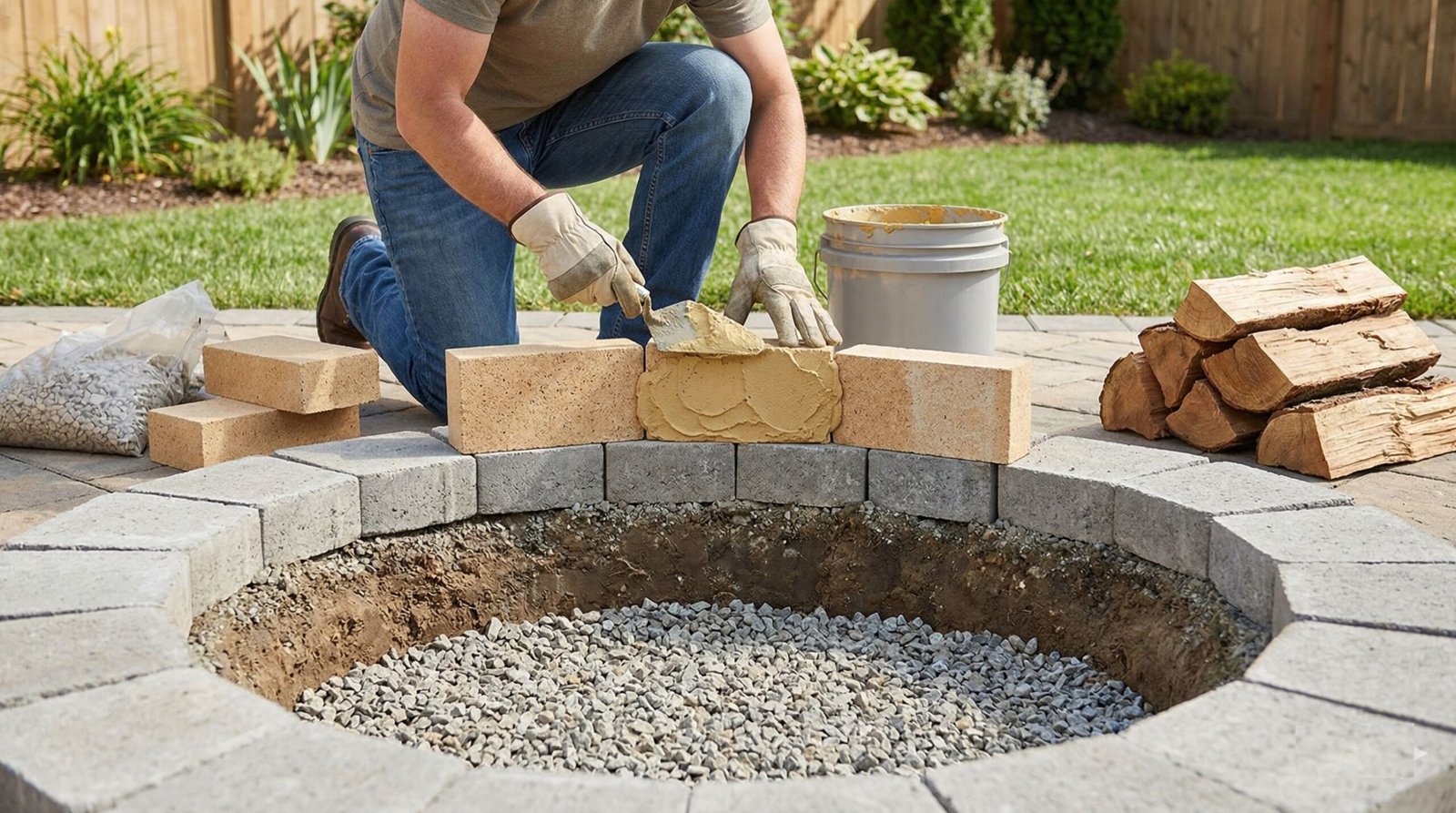
Learning how to build a fire pit with bricks is a wonderful weekend project that adds massive value to your backyard. First, you need to dig a shallow hole in the ground and fill it with gravel to create a solid drainage base. Next, you will lay a ring of standard concrete blocks to form the outer circle of your pit.
The most critical part is lining the entire inside of that concrete circle with heavy duty fire blocks. You will use special refractory mortar to glue the inner blocks together tightly. This inner layer will protect the outer concrete from breaking when you burn thick wooden logs. Always check your local building codes before starting any fire project to ensure you follow all neighborhood safety rules.
Maintenance Tips
Once you have built your beautiful oven or fireplace, you want it to last a lifetime. Taking good care of the materials is very easy if you follow a few simple rules.
The biggest enemy is moisture. If your oven is outside, you must cover it with a waterproof tarp during rain or snow. If water soaks into the blocks and then freezes, the ice will expand and shatter the blocks. Always keep them dry.
When it comes to cleaning, never use harsh chemical sprays or soapy water. Just use a dry brush to sweep away the ashes. If there is a spill on the oven floor, let the fire burn it away naturally. Occasionally inspect the thin joints between the blocks. If you see any small gaps appearing, patch them quickly with a tiny amount of new refractory paste to stop the damage from spreading.
Cost of Fire Bricks
Planning your budget is a big step. You need to know exactly how much money to set aside for materials. These specialized blocks are definitely an investment compared to regular yard materials.
💰 Average Pricing Guide:
A standard dense block usually costs between two and four dollars per block at a typical hardware store. Special insulating blocks or high alumina versions can cost easily over five dollars per block depending on where you live and buy them.
While this sounds expensive, remember that you only use these blocks for the specific areas that touch the actual flames. You do not build the entire outside of the structure with them. You can save money by using standard concrete blocks for the hidden support legs of a pizza oven, and save the expensive heat resistant blocks strictly for the inner dome and cooking floor.
Fire Brick Applications in Different Industries
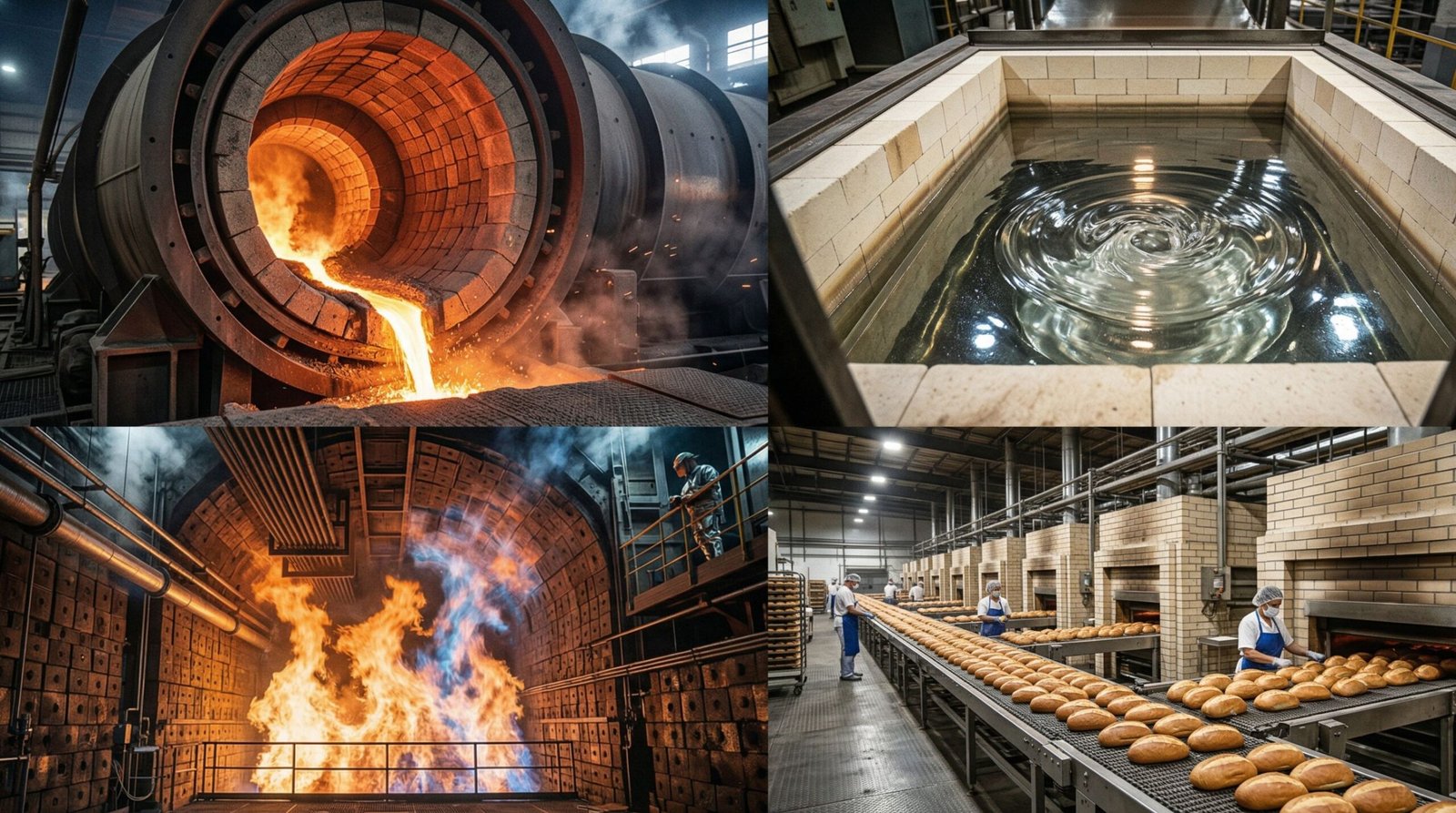
Beyond your backyard, these tough materials keep massive factories running around the world safely every day. Many major industries rely completely on refractory technology to make the products we buy.
- Steel Manufacturing: Giant furnaces that melt iron ore into liquid steel are lined with thousands of high alumina blocks. The blocks protect the outer metal shell of the furnace from melting away.
- Glass Production: Making glass requires melting sand at unbelievable temperatures. Special silica based blocks are used to hold the liquid glass pools safely.
- Power Plants: Facilities that burn coal or natural gas to create electricity use these blocks inside their massive boilers to contain the raging fires.
- Commercial Bakeries: Factories that bake thousands of loaves of bread every day use massive brick ovens to ensure completely even heat distribution for perfect baking results.
Common Mistakes to Avoid
Many people try to rush their projects and end up making critical errors that cost them a lot of money later. Read these common mistakes carefully so you do not repeat them.
Using Normal Cement
This is the absolute most common mistake. Normal cement cannot handle extreme heat. It will completely turn to powder and your blocks will fall apart. Always buy specialized refractory mortar.
Skipping the Curing Process
If you light a massive fire on the very first day, the trapped water inside the mortar will boil. Boiling water expands rapidly and will literally blast your new structure apart. Always dry it slowly.
Wetting the Bricks
Regular masonry requires you to soak red bricks in water before laying them. You should never soak heat resistant blocks. They will absorb too much water and ruin the special paste you are trying to use.
Fire Brick Safety Tips
Working with masonry tools and heavy materials requires care. Your health is more important than finishing the project quickly. Always prioritize safety.
⚠️ Essential Safety Gear:
- Wear a Dust Mask: Cutting these blocks creates extremely fine silica dust. Breathing this dust is very bad for your lungs over time. Always wear a high quality respirator mask.
- Use Safety Glasses: When tapping blocks together or making cuts, tiny sharp chips can fly into the air. Protect your eyes at all times.
- Wear Heavy Gloves: The edges of these blocks can be sharp. Also, the special mortar can dry out your skin very badly. Wear thick work gloves.
- Lift Carefully: Dense blocks are surprisingly heavy. Do not try to carry too many at once. Lift with your legs to avoid hurting your back.
Frequently Asked Questions (FAQs)
Still have questions about heat resistant materials. Here are the most common things people ask us.
Can bricks catch on fire? +
No, they cannot catch on fire. The blocks are literally born inside massive kilns that reach incredibly high temperatures. Because they are baked from clay and natural minerals, they contain absolutely nothing that can burn or ignite.
How to lay a brick fire pit? +
You must start with a flat gravel base for drainage. Build your outer circle using normal building blocks or concrete. Then, you lay the special heat resistant blocks inside the circle to form a protective inner ring. You must glue these inner blocks together using special refractory cement.
Where do I buy fire bricks? +
You can usually find them at large local hardware stores in the outdoor garden section. For larger quantities or specialized shapes, you should visit a local masonry supply yard or a dedicated brick distributor. They will have the best prices and variety.
Do I need special mortar for my fire pit? +
Yes, you absolutely need special mortar. Normal concrete or mortar will turn completely to dust when exposed to direct flames. You must buy refractory cement, which is formulated to get stronger when it gets hot.
What happens if I use normal bricks for a fire pit? +
Normal clay building blocks will absorb the intense heat from the flames very rapidly. This sudden shock causes them to crack and sometimes explode forcefully. This is very dangerous for anyone sitting near the flames.
Are fire bricks safe for cooking pizza? +
Yes, they are entirely safe for cooking food directly on their surface. This is why almost every authentic wood fired pizza restaurant uses a solid floor made of these specific dense blocks to bake their crusts.
How many blocks do I need for a small fire pit? +
The total amount completely depends on the diameter of your circle. A standard backyard ring usually requires between forty and sixty heavy duty blocks for the inner protective layer. You should measure carefully before you go shopping.
Do I need to soak them in water before laying them? +
No, you should never soak them before installation. Normal masonry requires wet blocks, but soaking these specific materials will introduce too much moisture into your special cement. Keep them completely dry during the building process.
Can I paint the inside of my fire pit? +
You should never paint the inside area where the actual flames will touch. Paint contains chemicals that will burn and release terrible fumes into the air. Let the natural color of the blocks show.
How long should I wait before lighting the first fire? +
You should wait at least five to seven days after finishing your build. The special cement needs time to dry in the normal air. When you finally light the first fire, keep it very small so the remaining moisture bakes out slowly.
👉 Brick Size Calculator
Do not guess how many materials you need for your next big project. Use our free tool to calculate your exact brick quantity quickly and easily right now.
Open Brick Calculator Tool