Adding brick to a house is a big choice. Brick looks beautiful and lasts a very long time. Many homeowners want to know the true cost to brick a house before they start a project. The price changes based on the size of your home and the materials you pick.
This complete guide will help you understand every part of the cost. We will look at material prices and labor fees. We will also compare brick to other options like vinyl siding and stone. By the end of this guide, you will know exactly what to expect.
📌 Table of Contents
- Cost Overview (Quick Answer)
- Cost Per Square Foot
- Brick Types and Price Differences
- Labor Cost
- Material Cost Breakdown
- Cost Comparison: Brick vs Siding vs Stone
- Factors Affecting Cost
- Cost to Brick: New vs Existing vs Partial
- Hidden Costs to Watch For
- Cost Saving Tips
- Maintenance Cost
- Long-Term Value and ROI
- Frequently Asked Questions
🧱 Brick House Cost Per Square Foot
Contractors usually quote the brick siding cost by the square foot. This is the easiest way to figure out your total budget. The cost covers the outside surface area of your walls, not the floor space inside your home.
The total cost per square foot for a brick exterior runs between $9 and $28 per square foot installed. This price depends heavily on whether you choose solid brick or brick veneer.
Brick Veneer
Per Square Foot Installed
Solid Brick
Per Square Foot Installed
Brick veneer is much more common today. It looks exactly like solid brick from the outside. The difference is how it supports the house. Solid brick actually holds up the roof. Brick veneer is just an outer shell attached to a wood frame. Because veneer is lighter and faster to install, it costs less money.
| House Size (Exterior Wall Area) | Estimated Cost (Veneer) | Estimated Cost (Solid Brick) |
|---|---|---|
| 1,000 sq. ft. | $9,000 – $15,000 | $14,000 – $28,000 |
| 1,500 sq. ft. | $13,500 – $22,500 | $21,000 – $42,000 |
| 2,000 sq. ft. | $18,000 – $30,000 | $28,000 – $56,000 |
| 2,500 sq. ft. | $22,500 – $37,500 | $35,000 – $70,000 |
| 3,000 sq. ft. | $27,000 – $45,000 | $42,000 – $84,000 |
Remember that exterior wall square footage is different from floor space. A 2,000 square foot house usually has about 1,500 to 2,000 square feet of exterior wall space depending on the shape and the number of windows. To get an exact number, you can use our brick calculator to plan your project.
🧱 Brick Types and Price Differences
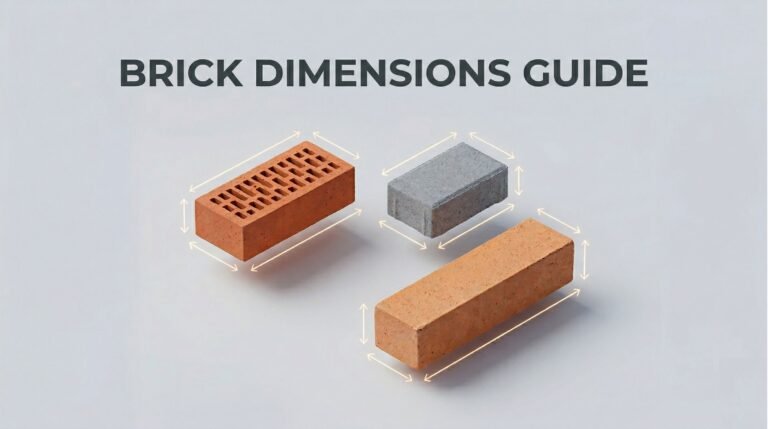
The type of brick you choose changes your total bill. Not all bricks are the same. Some are baked in ovens for a long time. Others have special colors mixed in. Standard brick sizes matter too. Larger bricks take less time to install but cost more per piece. You can read our brick size dimensions guide to learn how size changes your project.
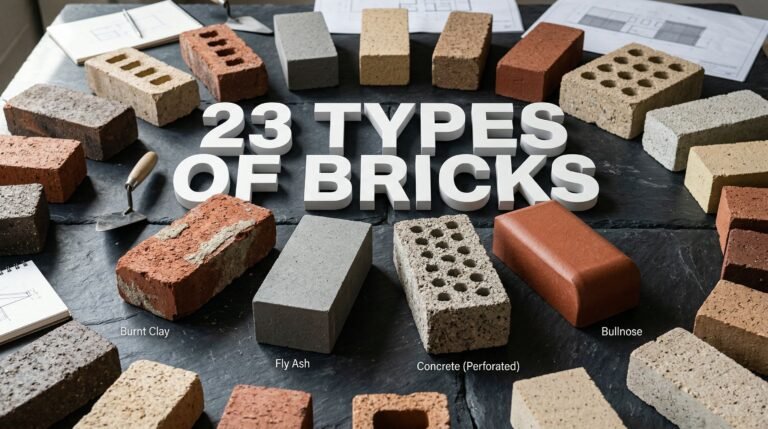
There are many options on the market. In fact, you can look at our guide covering the 23 types of bricks to see all the different styles available. Here are the most common choices for homes.
Extruded Brick (Wire-Cut)
This is the most common and cheapest option. Clay is pushed through a machine and cut with a wire. These bricks are very uniform and easy to stack. They cost between $0.40 and $0.70 per brick. If you want to save money, this is the best choice.
Sand Molded Brick
These bricks are pushed into molds lined with sand. This gives them a softer look and slightly rounded edges. They look older and more traditional. Because the process takes longer, they cost between $0.70 and $1.00 per brick.
Handmade Brick
Workers make these bricks by hand, one by one. No two bricks look exactly the same. They give a house a beautiful rustic style. Handmade bricks are expensive. Expect to pay between $1.00 and $2.50 per brick.
Used or Reclaimed Brick
Many people love the look of antique bricks taken from old buildings. These bricks have history and unique colors. However, cleaning old mortar off them takes time. Reclaimed bricks usually cost between $1.20 and $2.00 per brick.
Specialty Bricks
Sometimes you need special materials for specific areas. If you are building a chimney or an outdoor pizza oven, you cannot use regular clay brick. You need bricks that can handle high heat. If you need this, read our fire brick guide to understand the costs.
👷 Labor Cost
Labor is a huge part of the cost to brick a house. Masonry is a highly skilled trade. It takes years to learn how to mix mortar correctly and lay bricks perfectly straight.
Labor usually makes up about 60% to 70% of your total project cost. You are paying for the master mason and the laborers who mix the mortar and carry the bricks.
On average, mason labor costs between $40 and $100 per hour. Sometimes, they charge by the square foot instead. In that case, expect to pay between $5 and $12 per square foot just for the labor.
The labor cost changes based on the design of your house. If your home is a simple square box, the work goes fast. If your home has many corners, arches, and high peaks, the work slows down. The masons have to make custom cuts for every corner and curve. This extra time will increase your labor bill.
🏗️ Material Cost Breakdown
Bricks are not the only material you need. A proper brick wall requires several components to stay strong and keep water out. Here is a breakdown of the materials needed for a brick veneer wall.
- The Bricks: This is the main expense. As mentioned, prices range from $400 to $1,500 per 1,000 bricks.
- Mortar: The glue that holds it all together. A bag of mortar mix costs about $10 to $15. You will need many bags.
- Wall Ties: These are metal strips that attach the brick wall to the wood frame of your house. They keep the brick wall from falling over. A box of wall ties costs about $30.
- House Wrap (Weather Barrier): This goes over your wood framing before the brick is installed. It keeps moisture away from the wood. A roll costs about $100.
- Flashing: Metal or plastic sheets placed at the bottom of the wall and above windows to direct water outward.
- Weep Holes: Small gaps left at the bottom of the brick wall to let trapped water escape.
- Sand and Water: Needed to mix the mortar on site.
Always order 10% more bricks than your measurements show. Bricks break during shipping and cutting. If you run out, the new batch might be a slightly different color shade. Ordering extra protects your project timeline and the final look of your home.
⚖️ Cost Comparison: Brick vs Siding vs Stone
You might be trying to decide between brick and other popular exterior options. Brick is more expensive upfront than some materials, but it lasts longer. Let us compare the prices per square foot.
| Exterior Material | Cost Per Sq. Ft. (Installed) | Lifespan | Maintenance Need |
|---|---|---|---|
| Vinyl Siding | $3 – $8 | 20 – 40 years | Low (Wash yearly) |
| Fiber Cement (Hardie) | $5 – $14 | 30 – 50 years | Medium (Paint every 10 years) |
| Brick Veneer | $9 – $15 | 100+ years | Very Low |
| Solid Brick | $14 – $28 | 100+ years | Very Low |
| Stone Veneer | $35 – $50 | 100+ years | Very Low |
As you can see, vinyl siding is the cheapest option. However, vinyl can crack in cold weather or melt in extreme heat. Fiber cement is a good middle option. It looks like wood but resists fire and bugs.
Brick is more expensive than vinyl or fiber cement. But brick never needs to be painted. It does not rot. It does not attract termites. Stone veneer is the most expensive option on the list. Brick offers a great balance of beauty, durability, and a fair price compared to solid stone.
According to trusted construction cost data, homes with brick exteriors often appraise higher than homes with vinyl siding. This means your upfront investment helps build your home equity.
📈 Factors Affecting Cost
Many different things can make your project cost go up or down. Two houses of the exact same size might have very different brick bills. Here are the main factors to keep in mind.
1. Your Location
Where you live plays a massive role in the price. If you live in a big city with a high cost of living, labor rates will be higher. Also, if you live close to a brick manufacturing plant, shipping costs will be low. Bricks are very heavy. Shipping them across the country adds a lot of money to the final bill.
2. Brick Quality and Style
As we discussed earlier, standard red clay bricks are the cheapest. If you want white bricks, gray bricks, or handmade rustic bricks, you will pay a premium. Custom colors require special manufacturing processes.
3. House Size and Layout
A larger house requires more materials and more labor. But the shape matters just as much. A house with four straight walls is fast and easy to brick. A house with multiple stories, bay windows, arches, and dormers takes much more time.
4. Labor Rates and Season
Masons are very busy in the spring and summer. They might charge higher rates during peak building season. If you schedule your project for the late fall or mild winter days, you might get a better deal. However, mortar cannot be mixed if the temperature drops below freezing.
5. Foundation Condition
Bricks are incredibly heavy. Your house foundation must be strong enough to hold them. If you are adding brick to an older house, an engineer must check the foundation. You might need to pour an extra concrete ledge to support the new brick wall. This foundation work can add thousands of dollars to the project.
🏠 Cost to Brick: New vs Existing vs Partial
The current state of your house changes the project completely. Building a new house is very different from remodeling an old one.
Bricking a New House
This is the easiest and most cost-effective way to get a brick home. The architect designs the foundation to hold the brick from the very start. The builders install the wall ties and house wrap as they build the wood frame. The masons come in and do their job without any extra demolition work.
Bricking an Existing House
If you want to remove old vinyl siding and add brick, the price goes up. First, you have to pay a crew to tear off the old siding and throw it away in a dumpster. Next, you have to check the foundation. Most houses built for vinyl siding do not have the extra concrete ledge needed for brick. You have to hire a concrete crew to widen the foundation footing. This process is expensive and takes time.
Partial Brick (Front Only)
Many homeowners choose a hybrid approach to save money. They put beautiful brick on the front of the house to create great curb appeal. Then, they use cheaper vinyl or fiber cement siding on the sides and back. This is called a brick front. It gives you the luxury look from the street while keeping your budget under control.
If you are remodeling, putting brick on just the front of your home is the best way to get the premium look without paying the massive cost of a full foundation retrofit.
🔍 Hidden Costs to Watch For
When you get a quote from a contractor, make sure you ask what is included. There are several hidden costs that can surprise you.
Permits and Inspections: Most cities require a building permit to change the outside of your house. Permits can cost between $200 and $800. The city inspector will come out to check the work.
Demolition and Disposal: If you are removing old siding, you must pay for dumpster rentals and landfill fees. This can easily add $500 to $1,500 to your budget.
Structural Upgrades: As mentioned, widening a concrete foundation to hold the brick is a major hidden cost. You might also need stronger lintels (steel bars) installed above your windows and doors to hold the heavy bricks over the openings.
Painting and Trim Work: Once the brick is installed, your window frames and roof trim might need to be adjusted, caulked, and painted to match the new look.
💰 Cost Saving Tips
Bricking a house is a big investment. Here are a few ways to keep the costs manageable.
- Mix Materials: Use brick on the front and siding on the back.
- Choose Standard Bricks: Avoid custom colors or handmade textures. Standard red wire-cut bricks are beautiful and affordable.
- Get Multiple Quotes: Never hire the first mason you meet. Ask three different contractors to give you a detailed price breakdown.
- Buy in Bulk: If you are doing a massive project, ask the brick supplier for a volume discount.
- Keep the Design Simple: Avoid complex brick arches over windows. Simple straight lines require less labor.
- Do the Demo Yourself: If you are remodeling, you can save money by tearing off the old vinyl siding yourself before the masons arrive.
🛠️ Maintenance Cost
One of the best things about a brick house is how little money you spend after it is built. Wood siding rots. Vinyl siding cracks. Paint peels. Brick just sits there and looks great year after year.
You do not need to paint a brick house. You just need to wash it gently with a hose once a year to remove dust. Do not use high pressure washers, as this can damage the mortar.
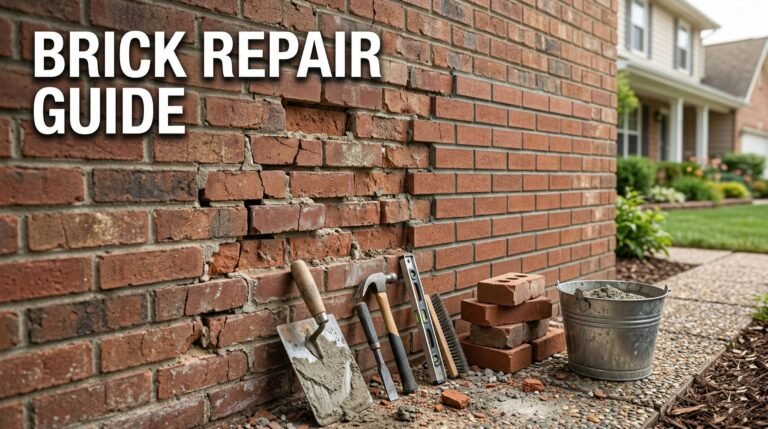
Every 20 to 30 years, you might need to fix the mortar joints. Over decades, weather can cause the mortar between the bricks to crack. A mason will come and scrape out the old mortar and put in new mortar. This is called repointing. If you notice cracks in your walls, you should fix them early to prevent water damage. You can read our detailed brick repair guide to learn how to spot problems and fix them.
Overall, the maintenance cost of a brick house is incredibly low compared to homes with wood or painted siding.
📈 Long-Term Value and ROI
Paying to brick your house is not just an expense. It is an investment in your property. Brick homes have excellent Return on Investment (ROI).
First, brick houses sell faster. When buyers see a brick house, they know it is sturdy and well-built. It has massive curb appeal.
Second, brick houses usually sell for more money. According to real estate experts on HomeAdvisor and similar property tracking sites, adding a brick exterior can yield a return on investment of 70% to 80% when you sell the home.
Third, brick saves you money every month. Brick walls are thick and heavy. They provide excellent thermal mass. This means they absorb heat slowly during the day and release it slowly at night. Your heating and air conditioning system will not have to work as hard, which lowers your monthly energy bills. Also, because brick is fireproof, many home insurance companies offer lower rates for brick houses.
❓ Frequently Asked Questions
How long does it take to brick a house?
It usually takes a professional crew one to two weeks to brick an average 2,000 square foot house. The exact time depends on the weather, the complexity of the design, and how many workers are on the crew. Rain and freezing temperatures will cause delays.
Is brick more expensive than siding?
Yes, brick has a higher upfront cost than vinyl or fiber cement siding. However, brick lasts much longer and requires almost zero maintenance. Over a 30-year period, brick can actually be cheaper because you never have to paint it or replace rotting boards.
Does a brick house lower insurance costs?
Yes, in most cases. Brick is naturally fire resistant. It also stands up better to high winds and hail than vinyl siding. Because the risk of damage is lower, many insurance companies offer discounts on home insurance premiums for brick houses.
Can I put brick over existing siding?
No, you cannot install heavy brick directly over old vinyl or wood siding. The old siding must be completely removed down to the wood frame. The wall must be covered in a weather barrier, and the foundation must be checked to ensure it can hold the heavy weight of the bricks.
What is the cheapest type of brick?
Extruded or wire-cut clay bricks are the most affordable option. They are mass-produced in factories, which keeps the price low. Standard red colors are cheaper than custom colors like white or gray.
How long does a brick house last?
A well-built brick house can easily last over 100 years. There are many brick buildings around the world that are centuries old. The bricks themselves will not break down. You will just need to repair the mortar joints every few decades.
Do brick houses stay cooler in summer?
Yes. Brick has high thermal mass. It absorbs the heat from the sun slowly, keeping the inside of your house cooler during hot summer days. This can help lower your air conditioning bills.
Can I paint a brick house?
Yes, you can paint a brick house, but it is not recommended unless the brick is old and damaged. Once you paint brick, you have to repaint it every 5 to 10 years. Painting takes away the “maintenance-free” benefit of a brick house. If you want a different color, consider brick staining instead.
Does a brick house need a lot of maintenance?
No. Brick is one of the lowest maintenance building materials in the world. You should wash it with water once a year and check the mortar for cracks. That is usually all that is required.
Do I need a permit to brick my house?
Yes, replacing your home’s exterior almost always requires a building permit from your local city or county government. The building inspector will need to verify that the foundation can support the weight and that the weather barrier is installed correctly.